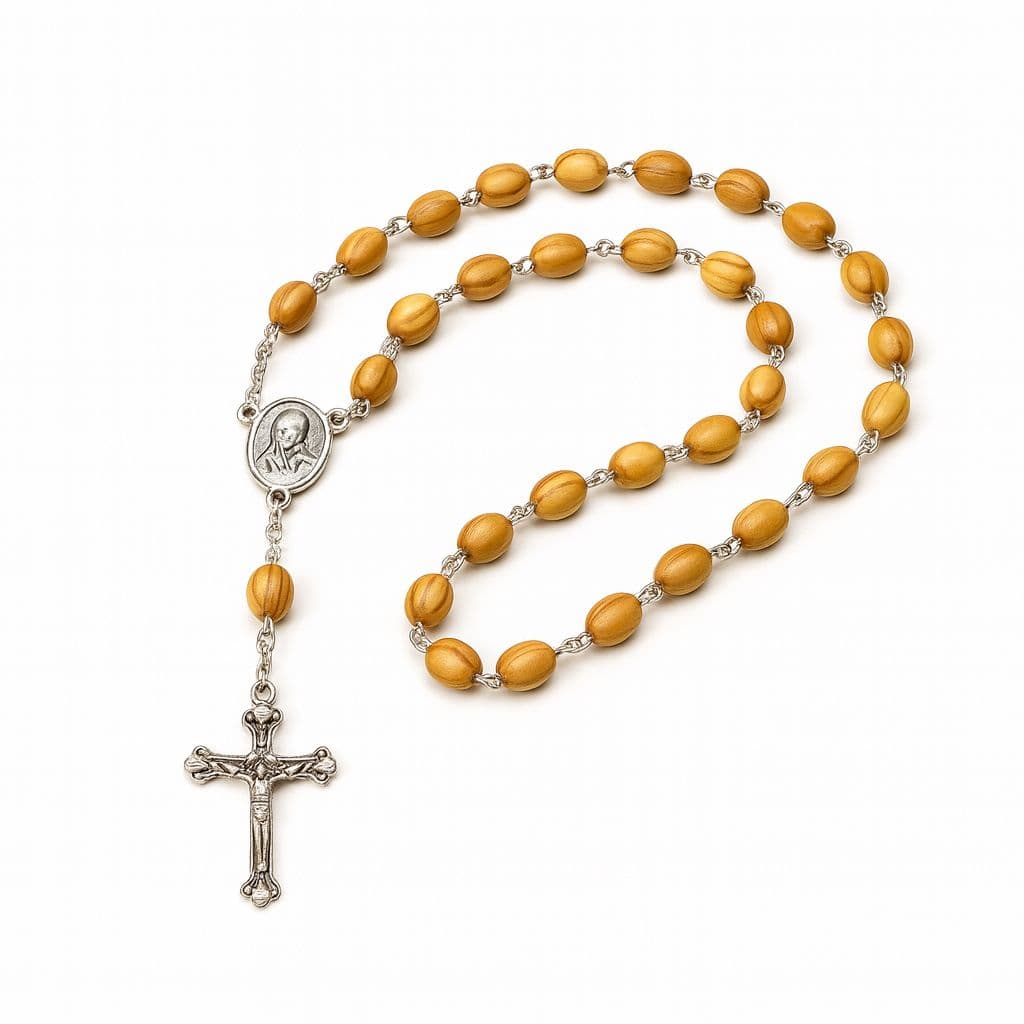

Wooden Rosary Care: Cleaning & Maintenance Tips for Prayerful Use
Wooden rosary care is a quiet kind of stewardship: you’re protecting a prayer companion that has held your Hail Marys, your worries, and your gratitude. With a simple routine for rosary maintenance, you can keep the wood smooth, the crucifix secure, and the rosary ready for daily devotion—especially when it’s handcrafted in Jerusalem and treasured as a tangible connection to the Holy Land.
Wooden Rosary Care: A Devotional Approach to Stewardship
Christians don’t worship objects—but we honor what helps us pray. A rosary is a “school of patience” for the hands and heart, guiding us through sorrow, hope, and thanksgiving. Caring for it is simply gratitude in action: you’re saying, “Lord, what I’ve been given matters, and I will treat it with love.”
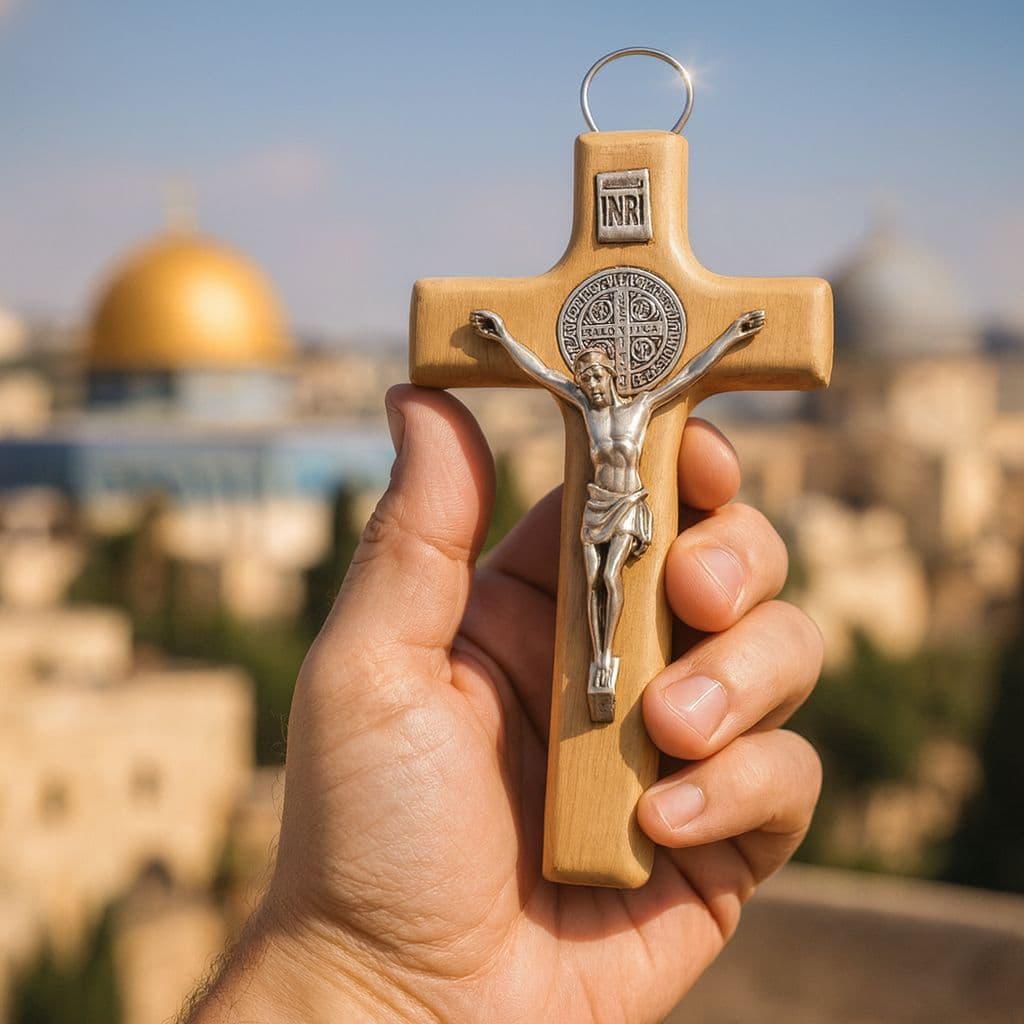
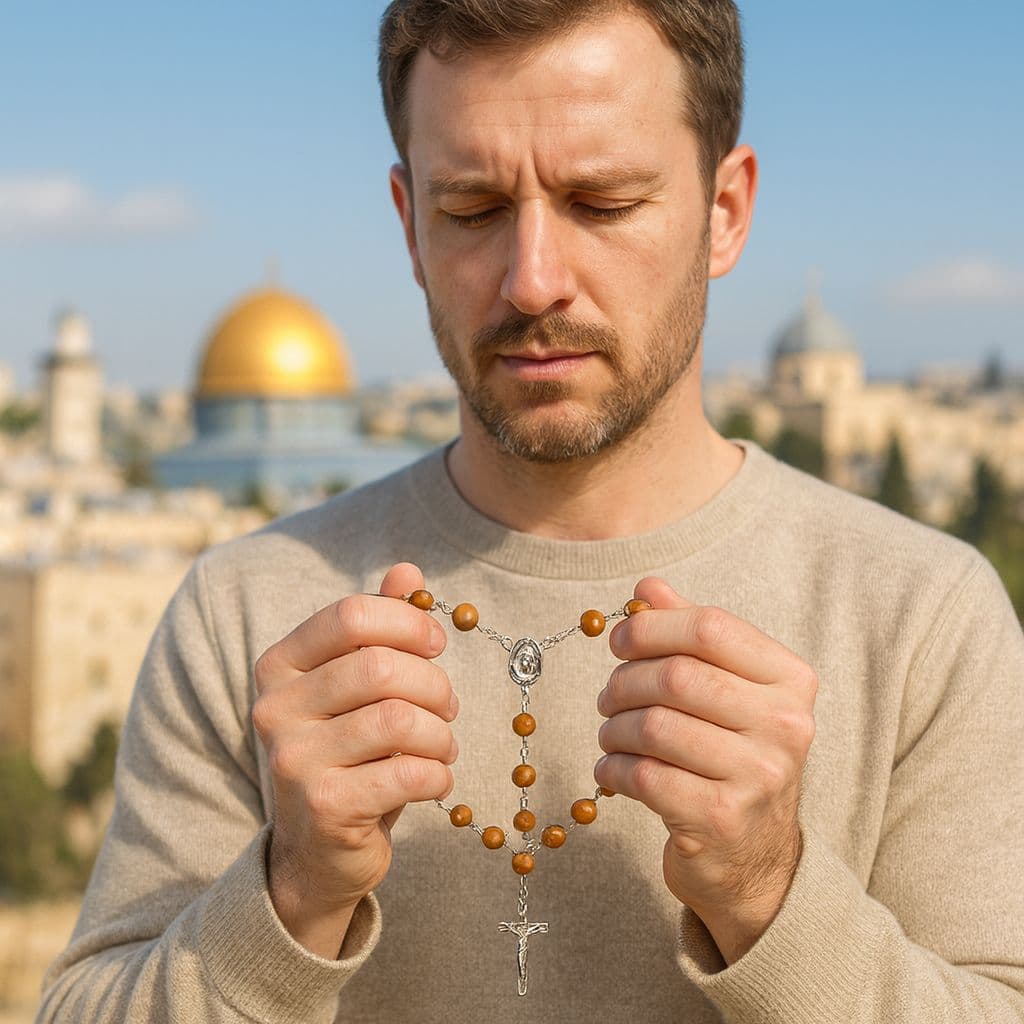
When a wooden rosary is handcrafted by Christian artisans in Jerusalem, it also carries the faith of the makers and the memory of the Holy Land. Many pieces can be blessed in Jerusalem—often at the Church of the Holy Sepulchre—adding a tender layer of meaning. (Learn more on About JerusalemFaith.)
Choosing/Buying Framework: Pick the Rosary You’ll Actually Use
The best rosary is the one that meets you where life is: at the bedside, in the car, on a walk, or in quiet church prayer. Use this framework (and you’ll prevent many future repairs).
- Purpose: daily prayer, travel, gifting, or a special devotion?
- Comfort: do the beads move smoothly and feel gentle in the fingers?
- Strength: look at joins, knots, and the crucifix connection (the common “stress points”).
- Meaning: if you want a Holy Land connection, browse Rosaries from Jerusalem and look for artisan details and blessing options.
Cord vs. chain: how it affects long-term rosary maintenance
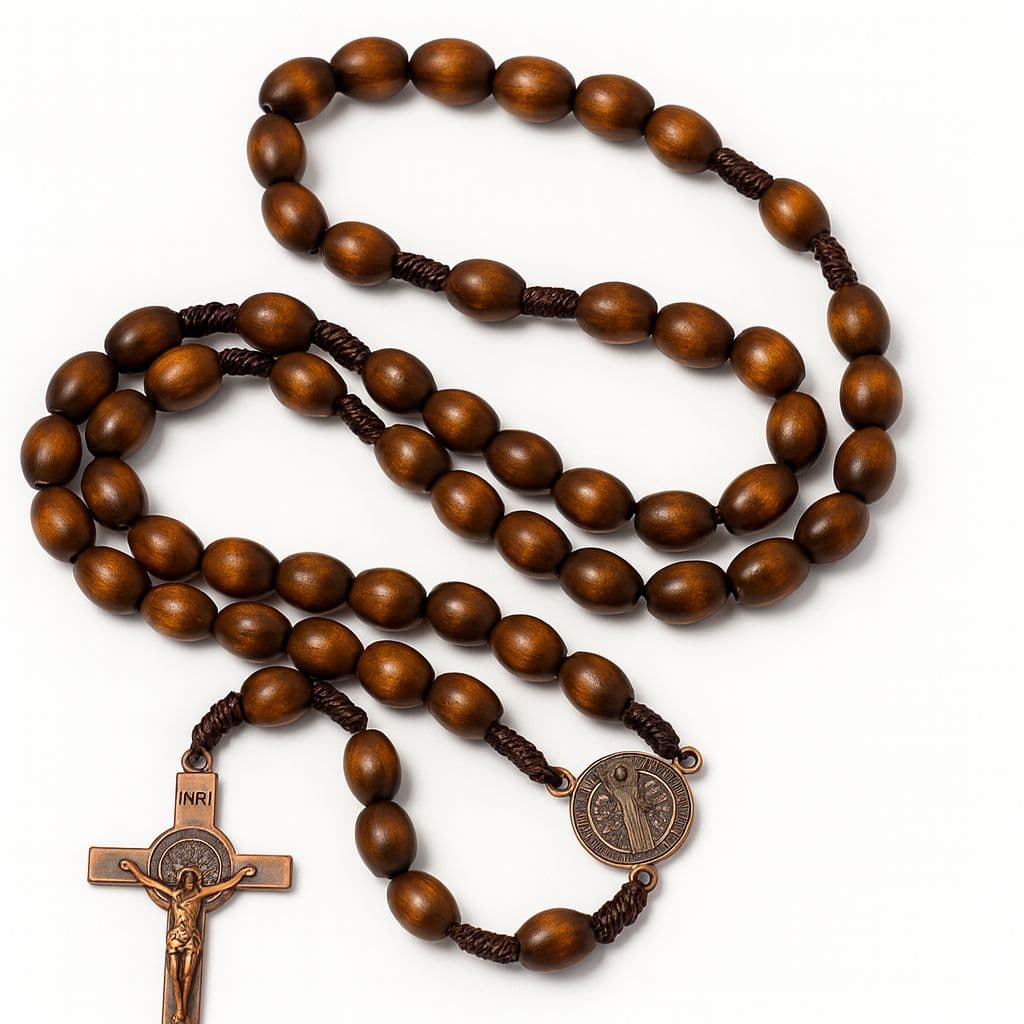
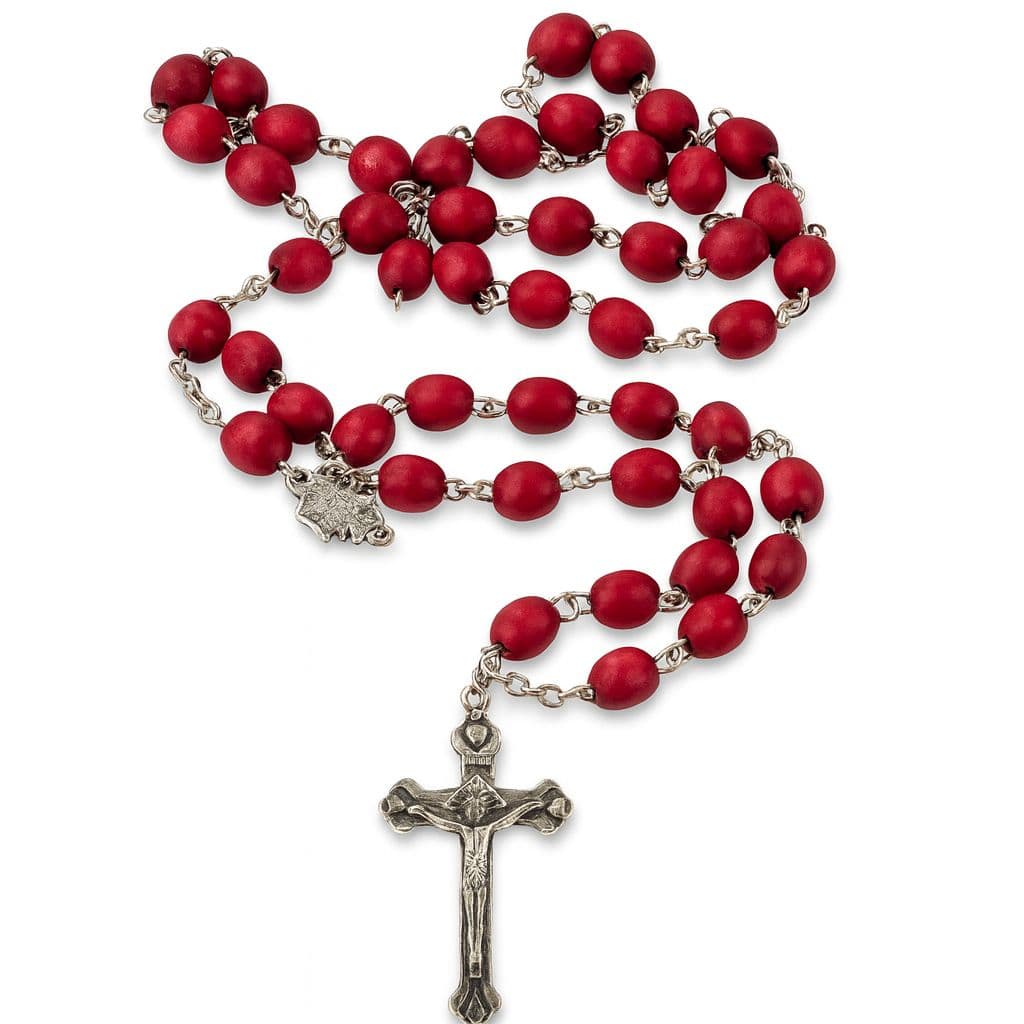
Wooden beads are forgiving, but the “spine” of the rosary still matters. Cord rosaries feel soft and traditional, yet friction can wear cord over time—especially with pocket carry. Chain rosaries can last longer, but thin links may bend if pulled. If you’re rough on your rosary, choose sturdier links or reinforced knots, and plan a monthly inspection either way.
Materials/Finishes: What Your Wood Needs (and Doesn’t)
Not all wood behaves the same. Many Holy Land rosaries feature olive wood or other durable woods finished to highlight natural grain. Jerusalem craftsmanship often favors a smooth tactile feel for prayer—warm, not overly glossy—so the beads can slide without snagging.
Quick guide: olive wood vs. darker woods
- Olive wood: beautiful grain; can show oils sooner—wipe gently and often.
- Darker woods: may hide discoloration, but still collect residue—keep a simple wipe routine.
- Stained/treated wood: avoid harsh cleaners that can lift color or leave blotches.
Mixed materials (wood + metal) and cleaning order
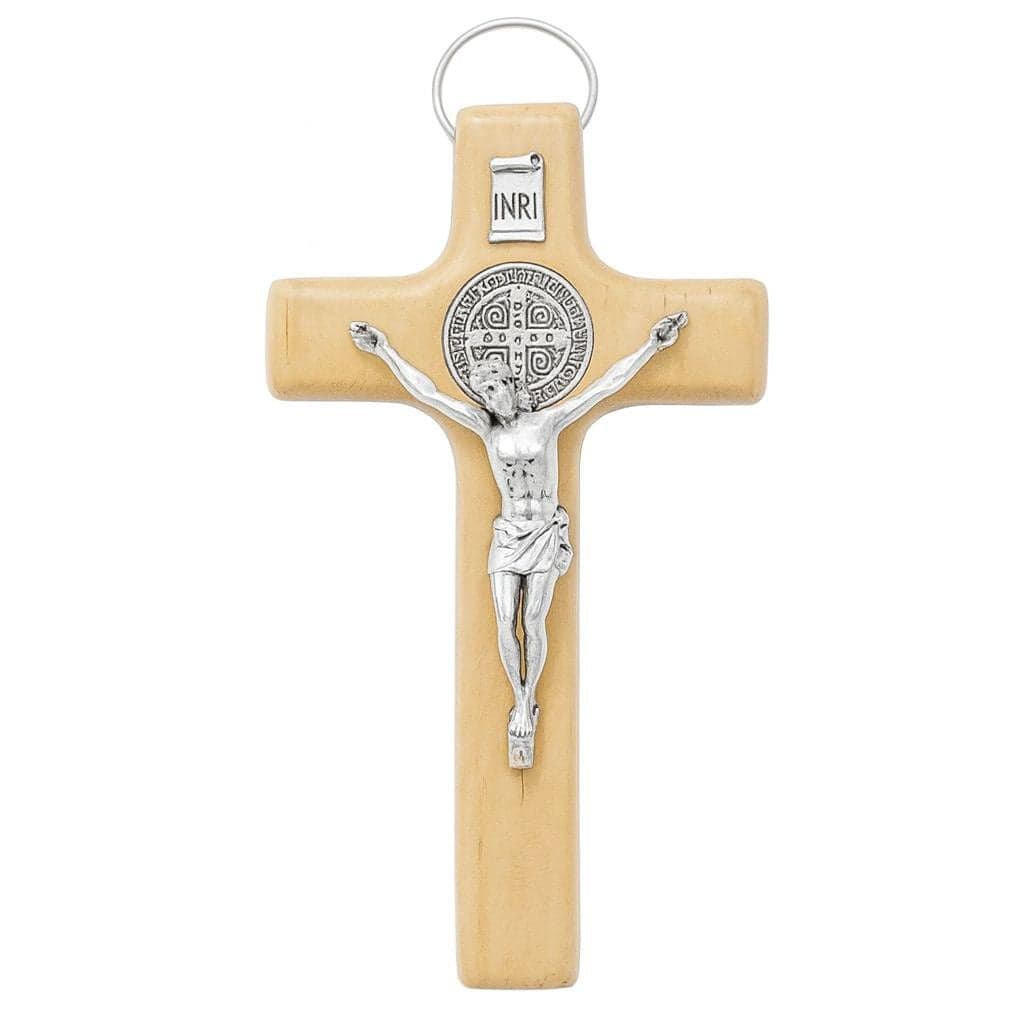
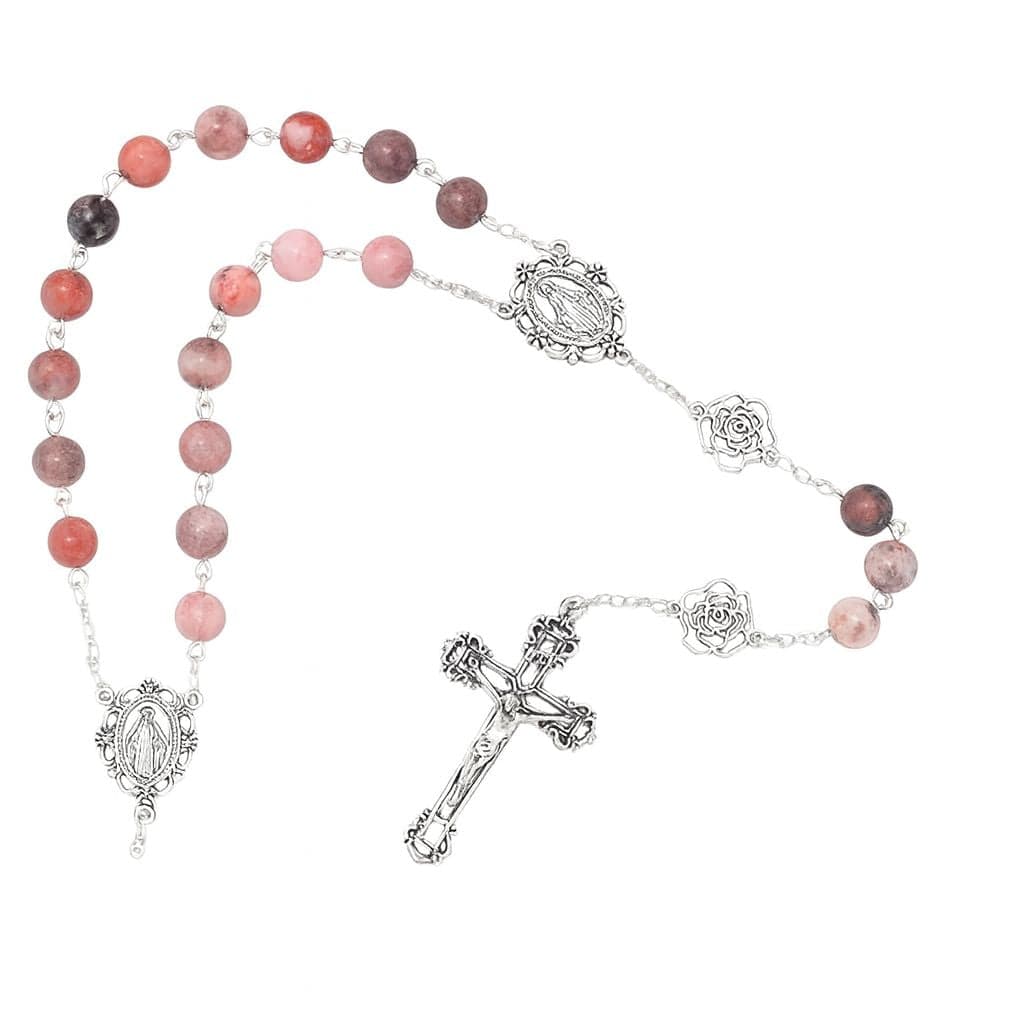
Many rosaries combine wood beads with a metal crucifix or centerpiece. Clean wood first (dry wipe), then the metal (light wipe), and finish by drying everything together. This keeps moisture from lingering near the joins and helps your wooden rosary care routine stay safe.
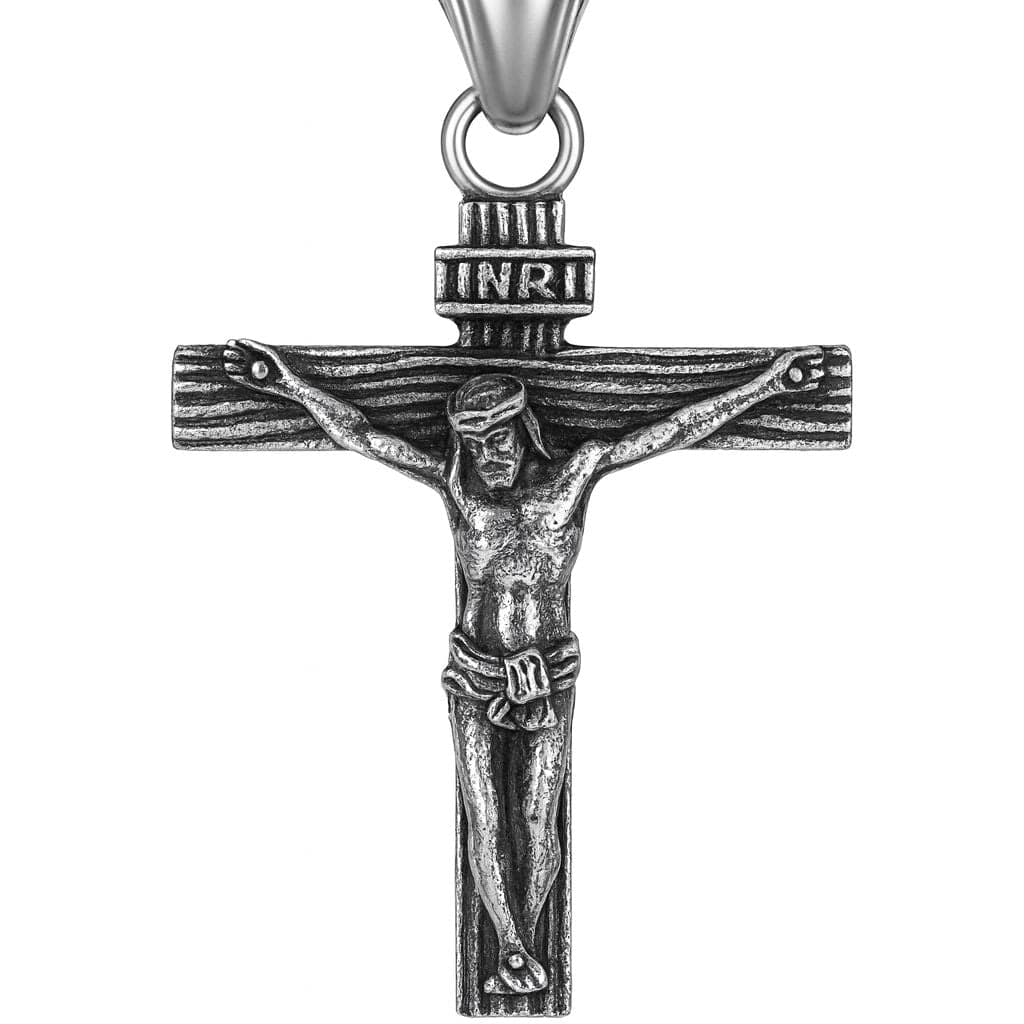
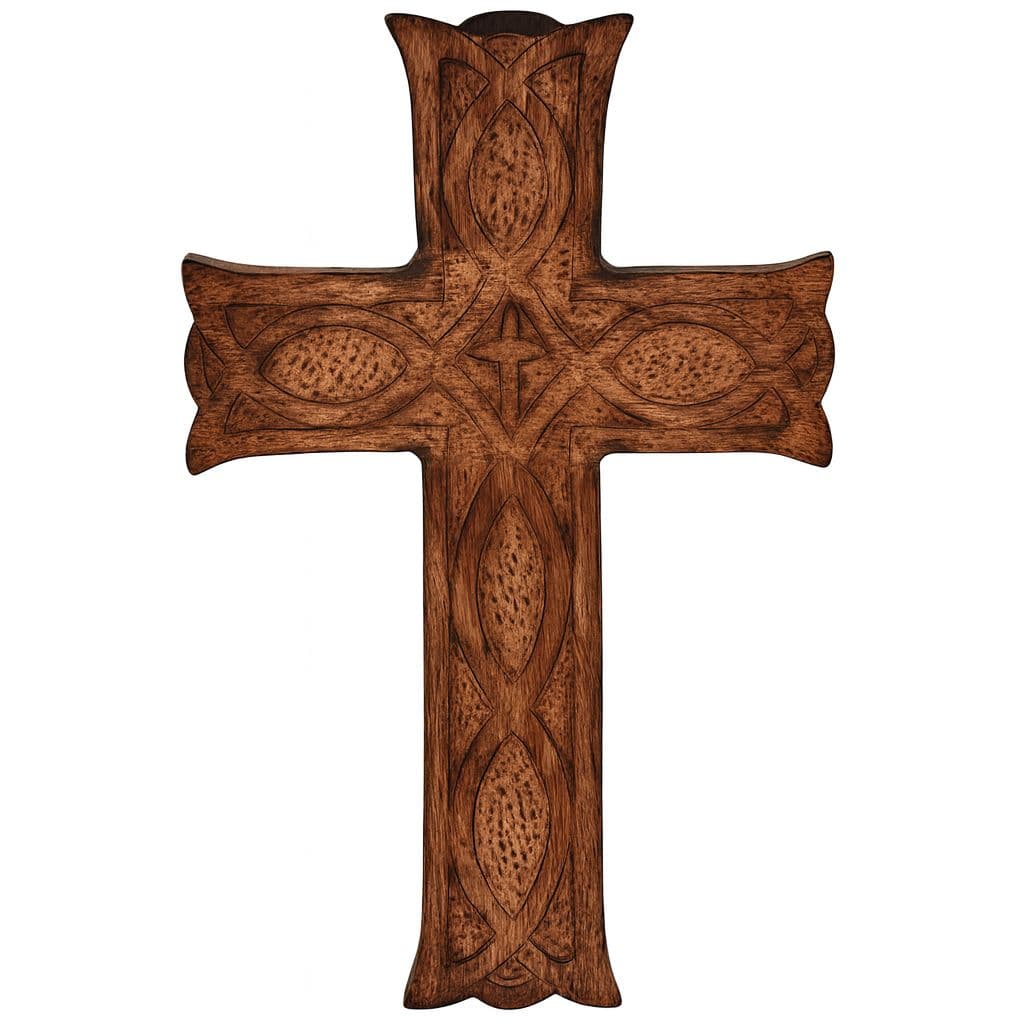
Building a prayer corner? Many families pair their rosary with a wall piece from Crosses & Crucifixes—crafted in Jerusalem with materials that echo the Holy Land’s story.
Sizing/Fit/Usage: How Real Life Affects Wear
“Fit” matters because it shapes how often you pray with the rosary—and how often you’ll need rosary maintenance. Smaller beads travel well; larger beads can be easier for long sessions and for hands that prefer a steadier grip. If you’re gifting, imagine the recipient’s daily rhythm: do they pray at home, commute, or spend time outdoors?
- Pocket carry: highest friction and oil exposure—wipe more often and store in a pouch when possible.
- Car rosary: heat and sunlight dry wood—keep out of direct sun and away from sharp edges.
- Prayer corner: lowest wear—light dusting and monthly inspection are usually enough.
Care & Stewardship: Cleaning & Maintenance That Protects the Wood
The goal of wooden rosary care is protection, not perfection. Think “gentle, minimal moisture, and patient drying.” Here’s a routine you can repeat without stress.
1) Dry clean (most of the time)
- Wash hands first; oils transfer quickly to wood.
- Wipe beads, crucifix, and centerpiece with a soft microfiber cloth.
- Use a soft brush (clean makeup brush works) for dust between beads and around joins.
2) Barely-damp wipe (only when needed)
For visible grime, dampen a cloth slightly (not wet), wipe a few inches, then dry immediately with a second cloth. Never soak the rosary or leave cord/knots wet. If the cord becomes damp, lay the rosary flat and let it fully air-dry before storing it.
3) Spot clean sticky residue
Mix a drop of mild soap into water, dampen the cloth, wring it out well, then spot clean only the affected area. Dry right away and let it air-dry flat in a shaded, dry room.
4) Conditioning & polishing (optional and sparing)
If the wood looks unusually dry (dull, slightly rough), you can condition rarely. Use a tiny amount of neutral oil (for example, a small drop of mineral oil) on a cloth, wipe lightly, then buff dry. Avoid scented oils and anything that can go rancid, because residue can attract dust and complicate rosary maintenance later. When unsure, skip oil and stay with regular dry wiping.
- Weekly: 30-second dry wipe.
- Monthly: inspect joins, knots, and crucifix connection; untangle gently (don’t tug).
- Seasonally: deeper wipe-down; adjust storage if weather shifts are extreme (dry heat or humid seasons).
If your piece is a Holy Land item intended for blessing at the Church of the Holy Sepulchre and you’re unsure about a product-safe method, reach out via Contact JerusalemFaith.
Gifting Guidance: Meaningful Moments & Gentle Instructions

A rosary says, “I want to pray with you.” Pair the gift with a short note: “Start with one decade a day” and include a few care tips. That small guidance helps the recipient build a habit—and protect the rosary from accidental damage.
Occasions where a wooden rosary shines
- Confirmation / RCIA: choose a comfortable, durable rosary for building new habits.
- Illness or grief: tactile comfort matters; keep care simple and gentle.
- Anniversaries / weddings: store in a dedicated place so it becomes an heirloom of prayer.
- Pilgrimage gift: a rosary handcrafted in Jerusalem—optionally blessed at the Holy Sepulchre—can be a “pilgrimage in the heart.”
If you’re requesting a blessing, include it in your gift message: “These beads were prayed over in Jerusalem—may they bring you peace.” It’s not about proving anything; it’s about offering comfort and inviting prayer.
Common Mistakes & How to Avoid Them
- Soaking the rosary: swells wood and weakens cord. Use minimal moisture and dry immediately.
- Alcohol wipes: can strip finishes and dry the wood.
- Heat/sun exposure: warps and dries wood (especially in cars).
- Storing in humid places: bathrooms and damp drawers can swell wood and loosen knots.
- Pulling to untangle: always “walk” knots open with patience rather than yanking.
- Ignoring early wear: a loosened link is easy to fix; a snapped cord is harder.
Mini-FAQ
- How often should I clean a wooden rosary?
- Weekly dry wiping is enough for most people; add a monthly inspection if you carry it daily.
- Can I disinfect wooden beads?
- Usually avoid alcohol-based wipes. Wash hands before prayer and use gentle wiping; spot-clean with a barely-damp cloth if needed.
- My rosary looks dull—should I oil it?
- Only rarely and very sparingly. If you’re unsure, skip oil and keep a consistent wipe routine instead.
- What’s the safest way to store it?
- Store flat in a pouch or box, away from sunlight, heat, and humid bathrooms.
- Is it okay to carry it in my pocket every day?
- Yes—just expect more frequent rosary maintenance due to friction and oils. A small pouch helps a lot.
Conclusion: Keep Your Rosary Prayer-Ready
Wooden rosary care is a small act of faithfulness that protects a big part of your prayer life. With gentle cleaning, patient drying, and simple rosary maintenance, you preserve a steady invitation to pray. And if your rosary is handcrafted in Jerusalem and can be blessed at the Church of the Holy Sepulchre, that care becomes a way of honoring the Holy Land connection and the Christian artisans who made it.
Ready to choose a prayer companion with Holy Land meaning? Explore our Rosaries from Jerusalem—handcrafted in Jerusalem, with options for blessing in the Holy City. May each bead draw you closer to Christ, one faithful prayer at a time.
Questions about materials or blessing requests? Visit Contact JerusalemFaith and we’ll assist with care.