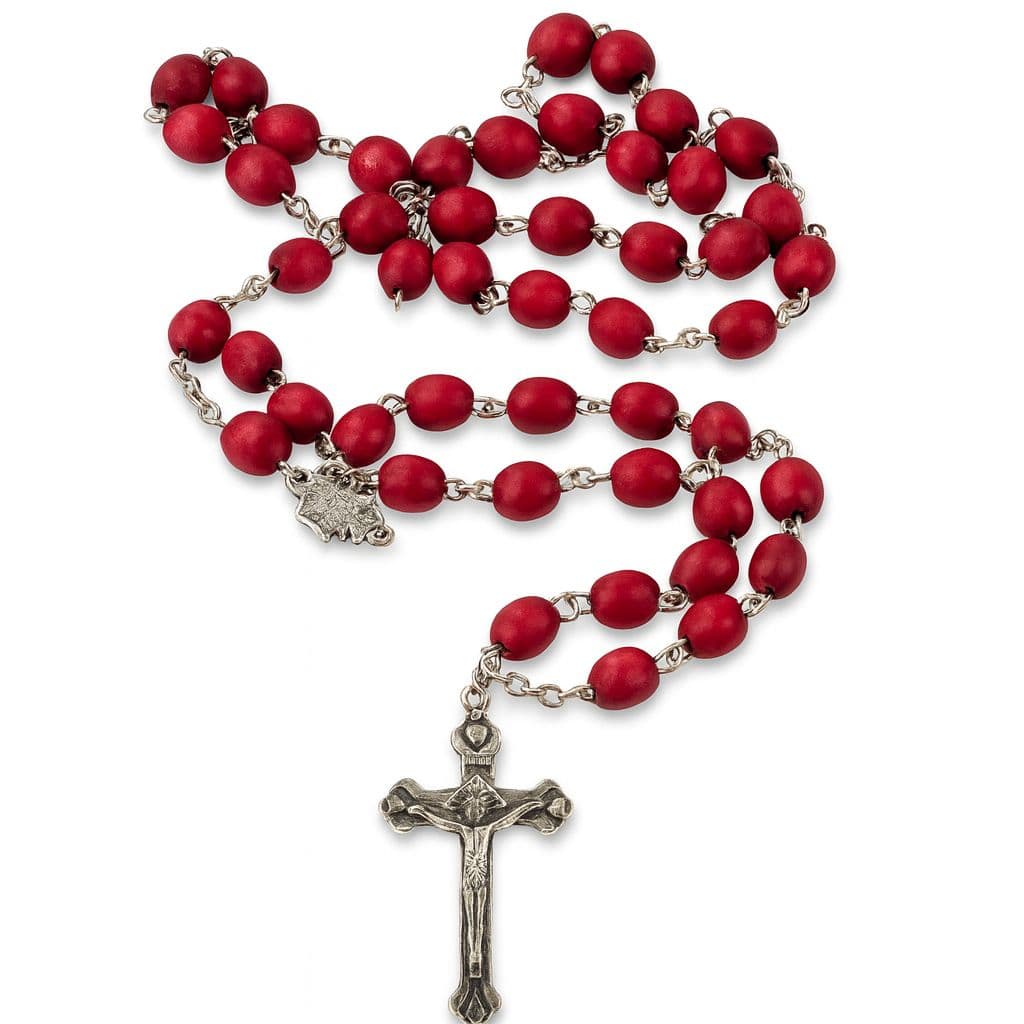
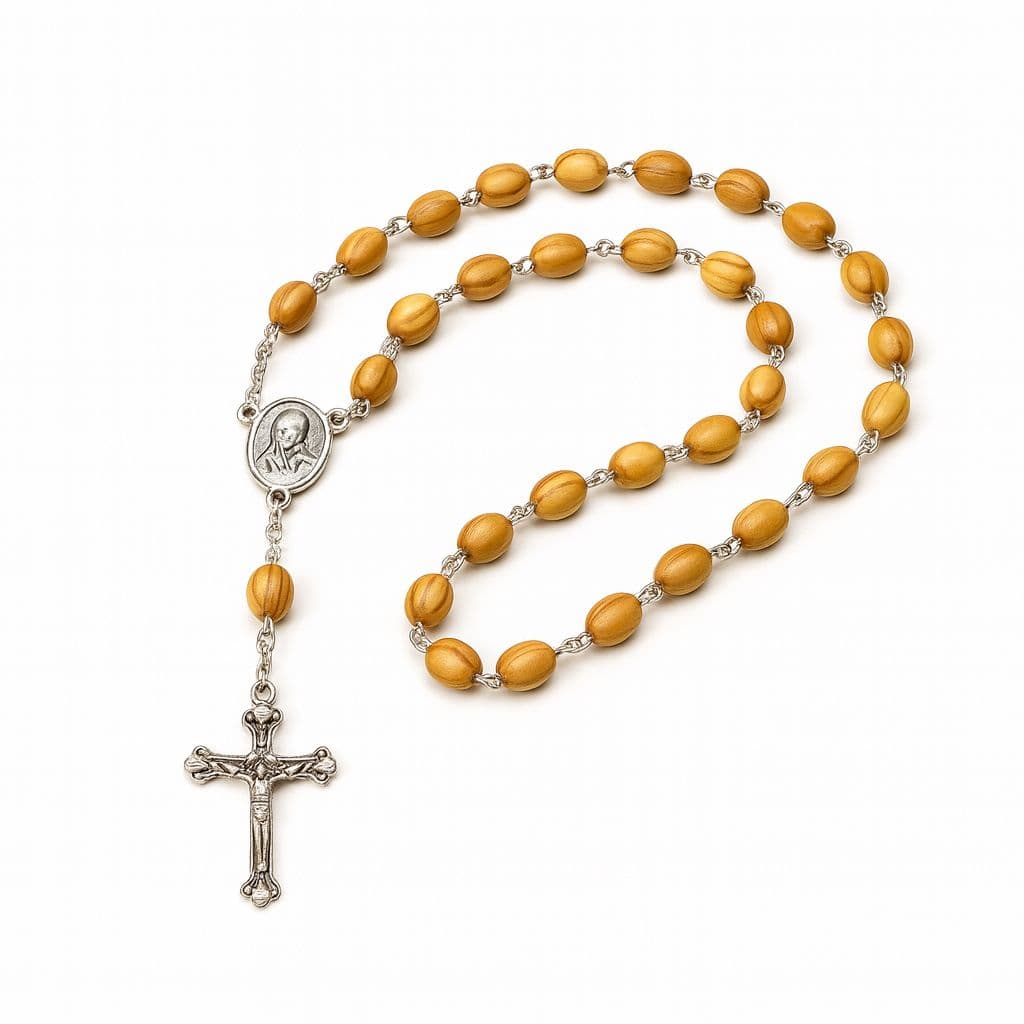

7 Sorrows Rosary: Where to Buy & What to Look For
7 Sorrows Rosary: Where to Buy & What to Look For
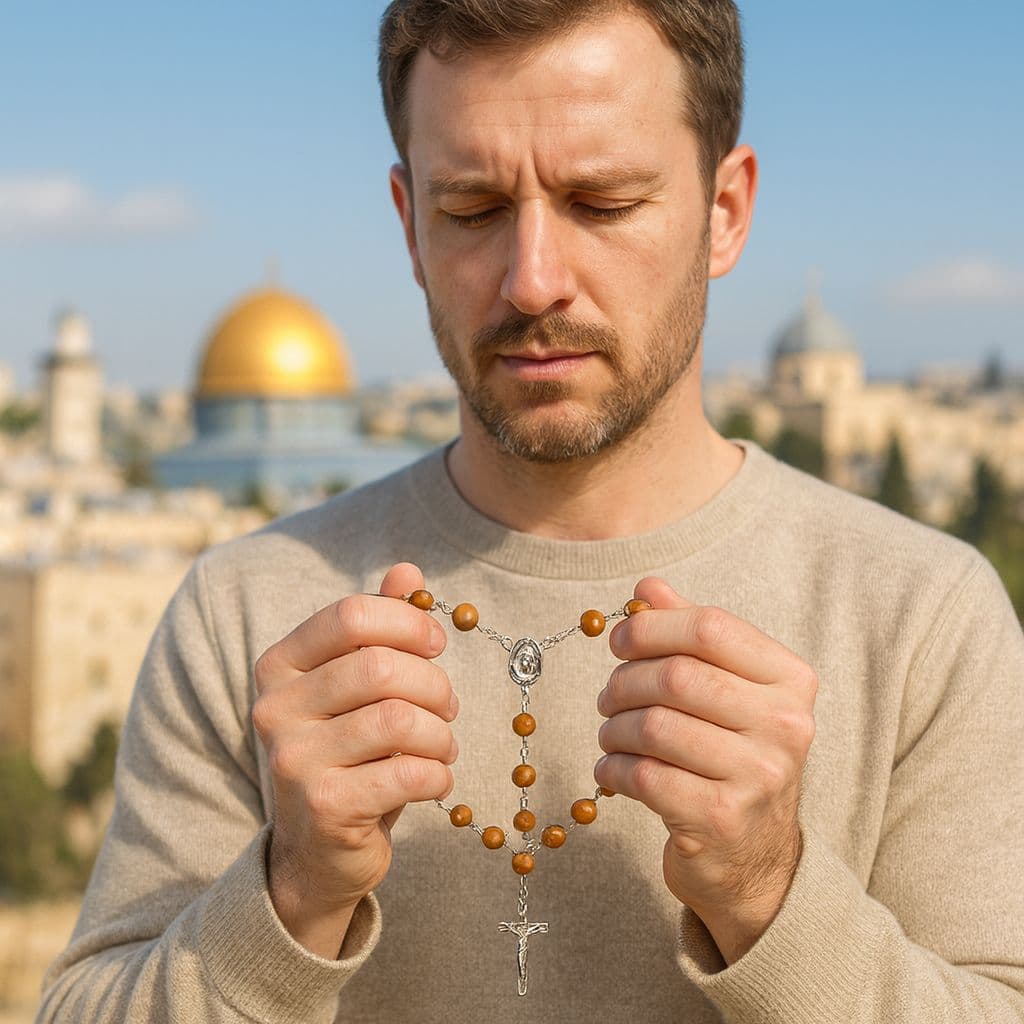
If you’re searching for a 7 Sorrows Rosary: Where to Buy & What to Look For, you’re likely not only shopping you’re answering a quiet call to pray with Our Lady of Sorrows. This devotion is gentle and brave: it teaches us to place suffering before God and to stay close to Christ when life feels heavy.
Table of Contents
- Why this devotion matters for Christians
- 7 Sorrows Rosary: Where to Buy & What to Look For
- A simple buying framework
- Materials, finishes & Jerusalem craftsmanship
- Sizing, fit & usage scenarios
- Care & stewardship tips
- Gifting guidance
- Common mistakes & how to avoid them
- Mini‑FAQ
- Conclusion & gentle next steps
Why this devotion matters for Christians
The Seven Sorrows devotion draws us into the Gospel with a particular tenderness. It helps us contemplate the Passion of Jesus through the faithful love of His Mother. It doesn’t glorify pain; it teaches trust—the kind that says, “Lord, even here, I believe You are good.”
Many Christians reach for this chaplet in seasons of grief, family trials, anxiety, or spiritual dryness. The pattern of prayer creates a steady rhythm when words are hard to find. And in Mary’s sorrows, we learn how to stand near the Cross with hope.
A simple beginning: “Jesus, I trust in You. Sorrowful and Immaculate Heart of Mary, pray for us.”
The Seven Sorrows (overview)
- The prophecy of Simeon
- The flight into Egypt
- The loss of the Child Jesus in the Temple
- Mary meeting Jesus on the way to Calvary
- The Crucifixion and Death of Jesus
- The taking down of Jesus’ Body
- The burial of Jesus
How the chaplet is typically prayed (simple outline)
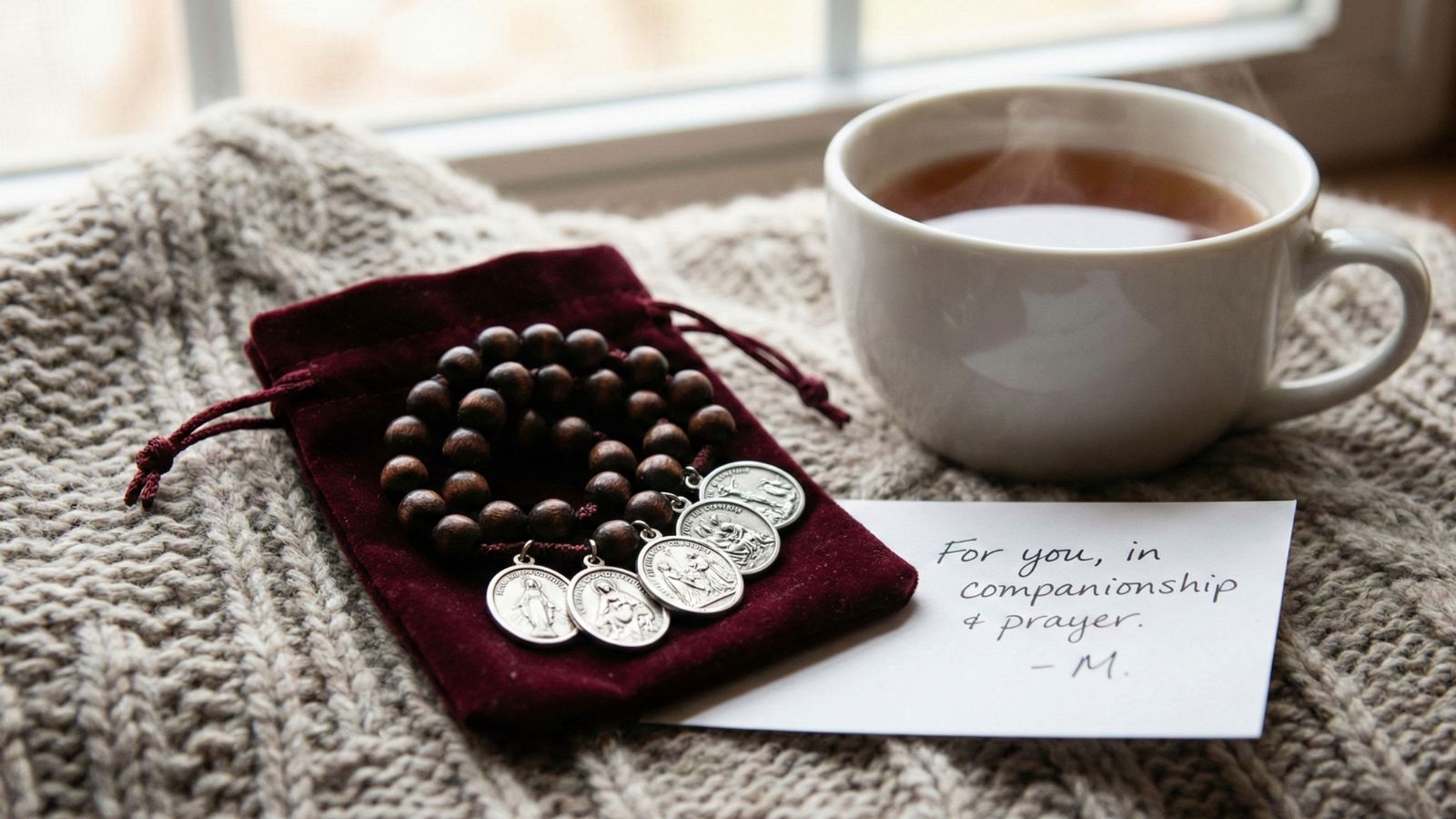
Most 7 Sorrows chaplets are prayed in a steady pattern that keeps your mind focused and your heart calm. You announce (or quietly recall) the first sorrow, pray one Our Father, then pray seven Hail Marys while meditating on that sorrow. Many people add a short invocation at the end of each set, such as “Sorrowful and Immaculate Heart of Mary, pray for us.” Then you move to the next sorrow and repeat until all seven are prayed.
At the end, many traditions include three additional Hail Marys in honor of Our Lady’s tears. If you’re new, don’t worry about doing it “perfectly”: begin slowly, with sincerity. A chaplet that is comfortable to hold and easy to count by touch will help you stay present—especially on days when grief or worry makes concentration difficult.
7 Sorrows Rosary: Where to Buy & What to Look For
When people search 7 Sorrows Rosary: Where to Buy & What to Look For, they usually want a chaplet that is accurate, durable, and reverent. Below are reliable places to buy—and a short checklist so you can choose with peace of mind.
Where to buy (reliable paths)
- Holy Land shops and artisans: Look for clear photos, construction details, and transparent policies. If you want a tangible link to Jerusalem, start with Rosaries from Jerusalem.
- Your parish bookstore: Best if you want to hold bead sizes in your hand before buying.
- Monasteries and shrines: Often offer simple, well-made sacramentals that support the community’s work.
- Pilgrimage purchases: If you travel to Jerusalem, ask about having your devotional blessed at the Church of the Holy Sepulchre (when possible).
What to look for (quick checklist)
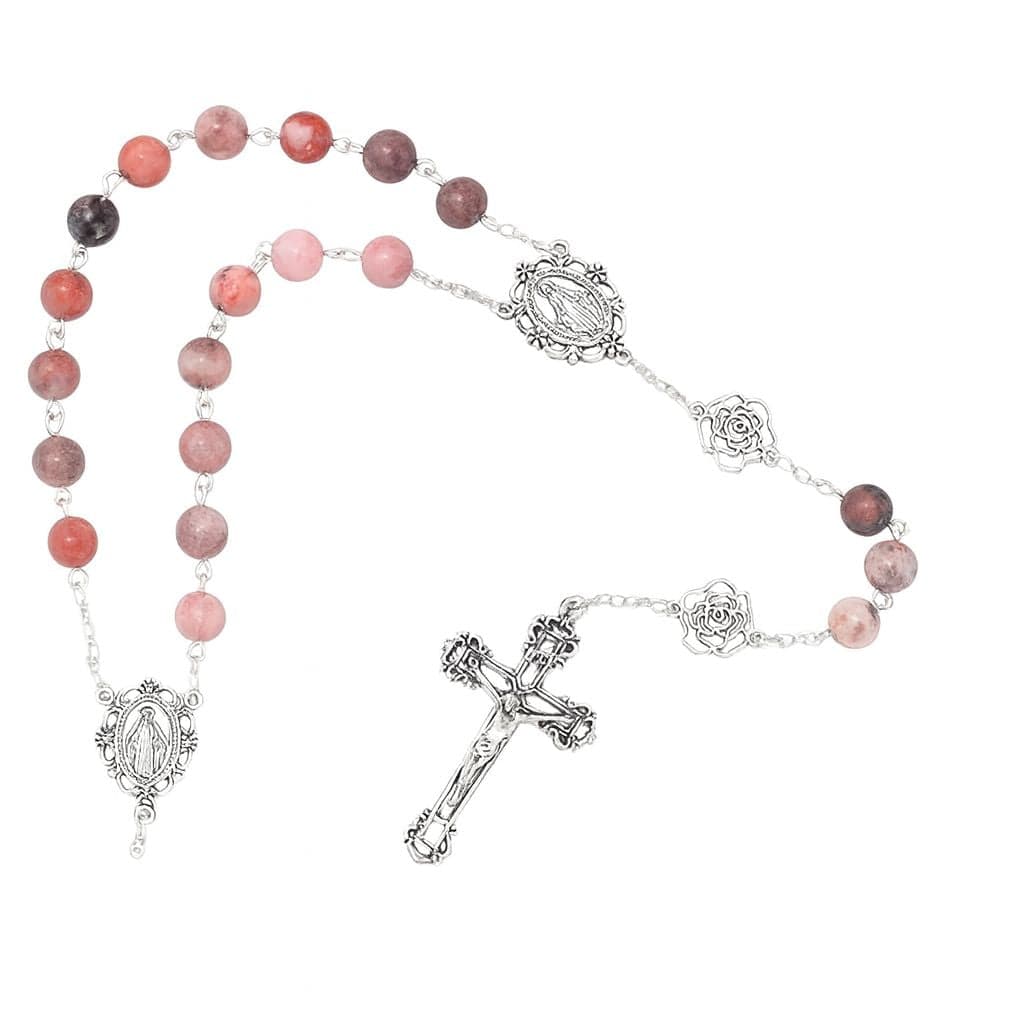
- Correct layout: seven groups of seven “Hail Mary” beads, each separated by a medal or single “Our Father” divider, plus three beads at the end.
- Strong construction: secure links/knots, reinforced connectors at the medals, and a sturdy centerpiece.
- Comfort: beads you can count by touch (especially if you’ll pray while walking or during stress).
- Reverent details: clear medal imagery, smooth edges, and a crucifix/cross that feels prayerful rather than decorative.
- Clarity from the seller: materials, size, shipping/returns, and what’s included (pouch, card, etc.).
If you’re comparing chaplets with standard rosaries, our guide How many beads on a rosary? is a helpful companion read.
A simple buying framework
Step 1: Choose your intention
- Daily devotion: durability and comfort first.
- Comfort in grief/illness: gentle textures (often wood) and quiet movement.
- Gift: craftsmanship, meaningful symbolism, and presentation.
Step 2: Choose how you’ll use it
- Home prayer corner: slightly larger beads can slow your pace and deepen meditation.
- Travel or pocket carry: mid-sized beads and reinforced construction.
- Church or retreats: quieter materials and smooth movement.
Step 3: Pick cord vs chain
- Knotted cord: usually quiet, grippy, and easy to repair.
- Chain: traditional look—just confirm the links and separators are strong.
A simple rule: choose the chaplet that makes you want to pray again tomorrow.
Materials, finishes & Jerusalem craftsmanship
Seven Sorrows chaplets are often made in darker materials as a sign of sorrow and reverence, but the “best” material is the one that serves your prayer life. Here’s what to expect—especially when shopping online.
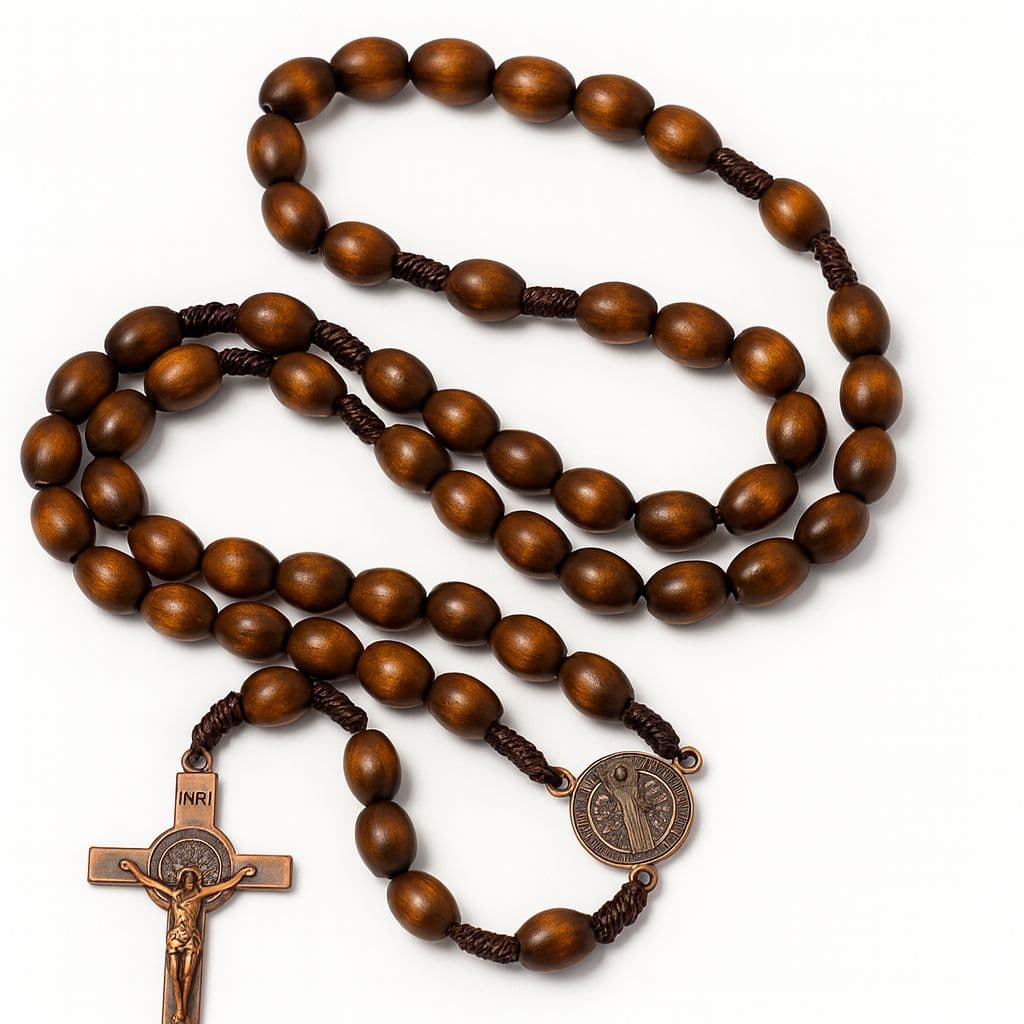
Olive wood (Holy Land warmth)
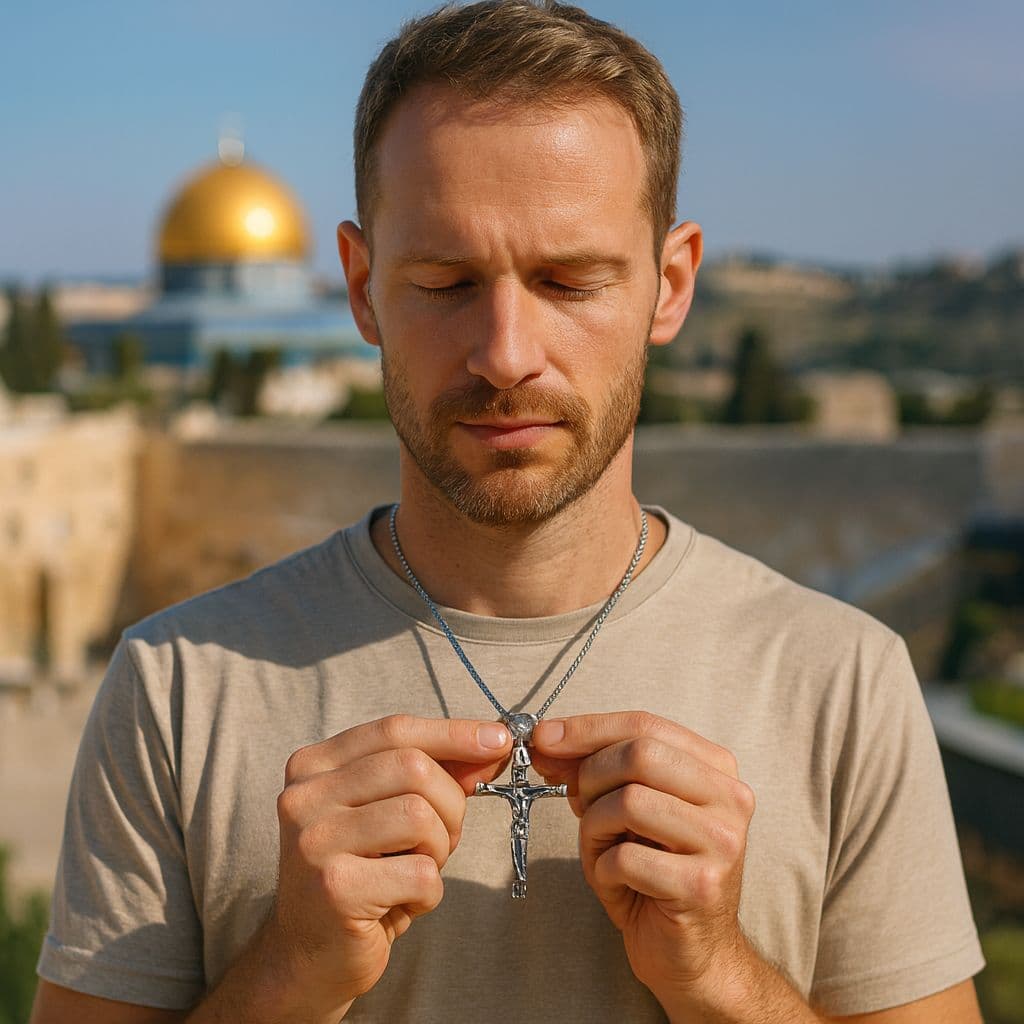
Olive wood is warm and light, with a unique grain that makes each piece one-of-a-kind. Many items at JerusalemFaith are handcrafted in Jerusalem, and upon request your devotional can be blessed at the Church of the Holy Sepulchre—an added meaning many customers cherish.
Dark hardwoods
Dark woods often feel classic and “anchoring” in the hand—excellent if you want a chaplet that feels steady during anxious seasons.
Stone or glass beads
Stone can feel grounding and substantial. Glass can be beautiful for gifting, but check that the holes are smooth and the separators won’t snag mid‑prayer.
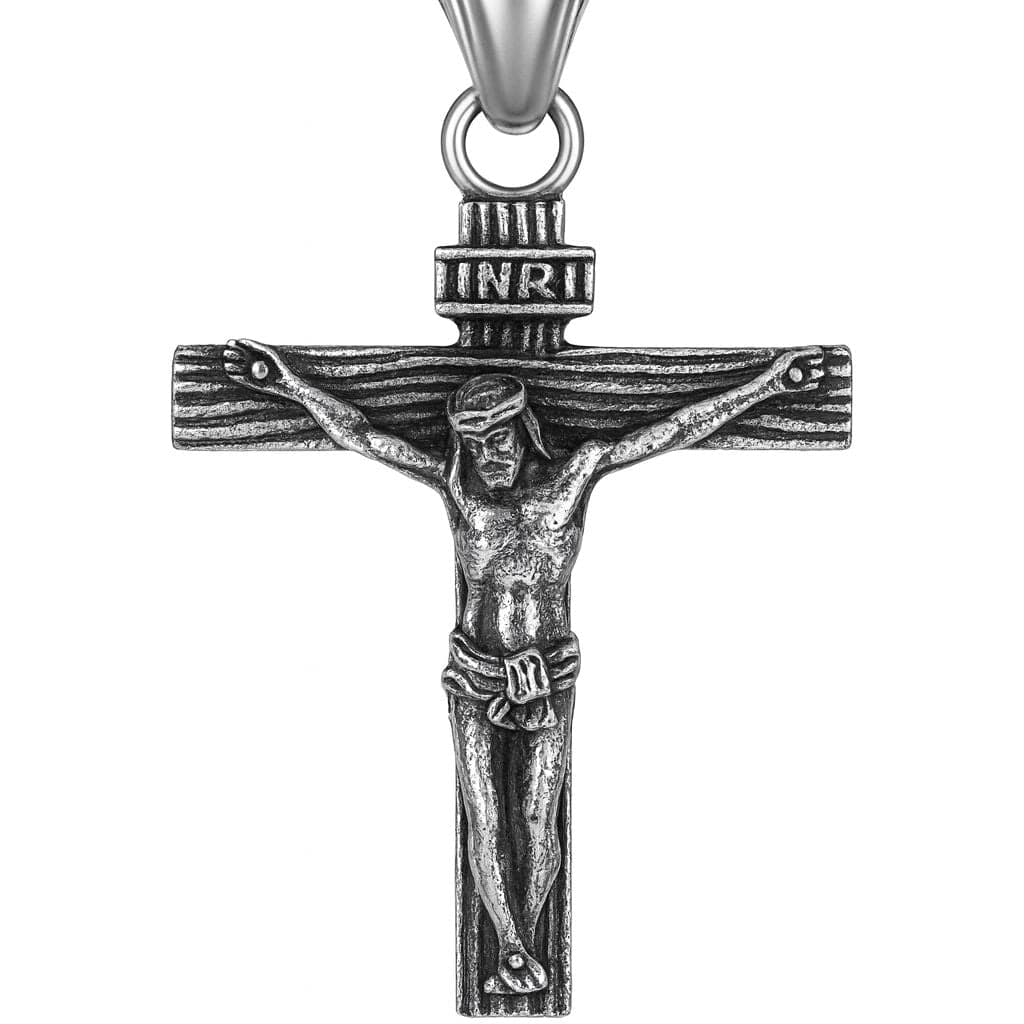
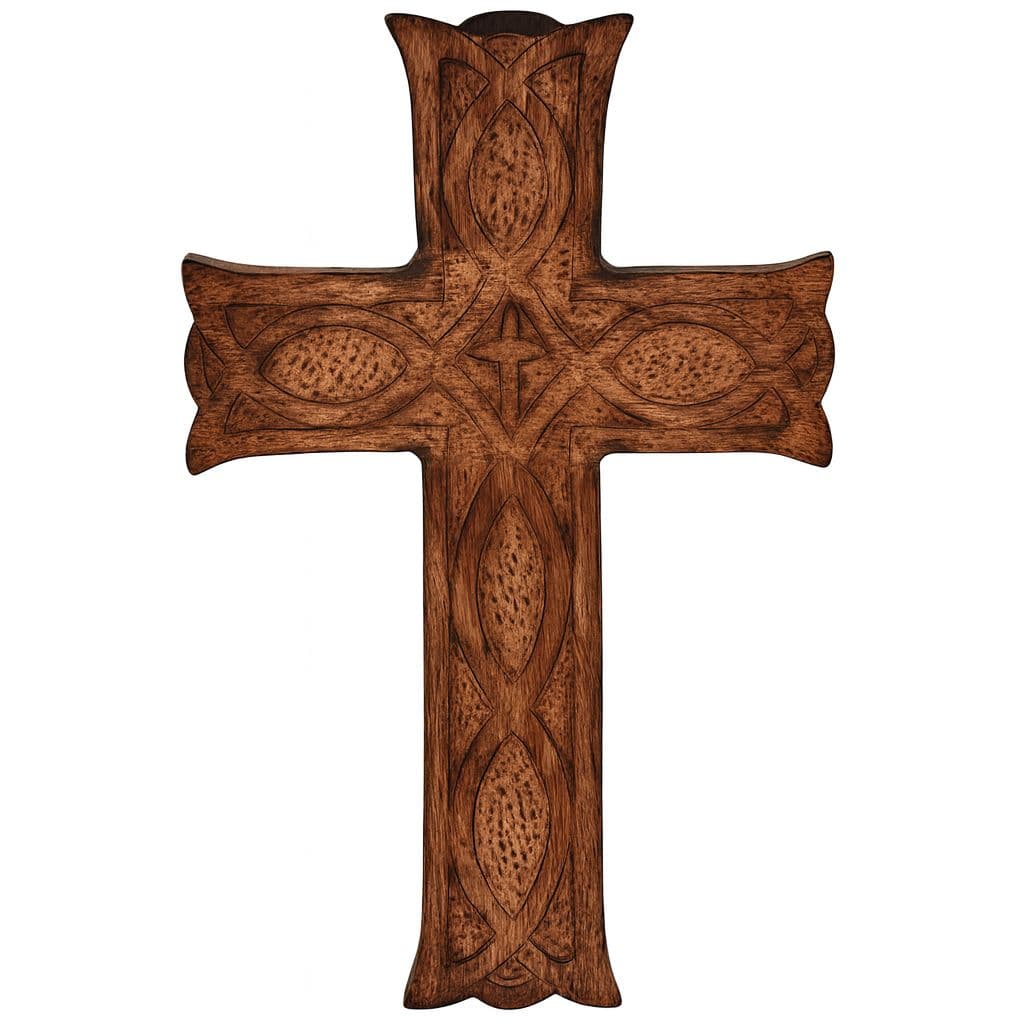
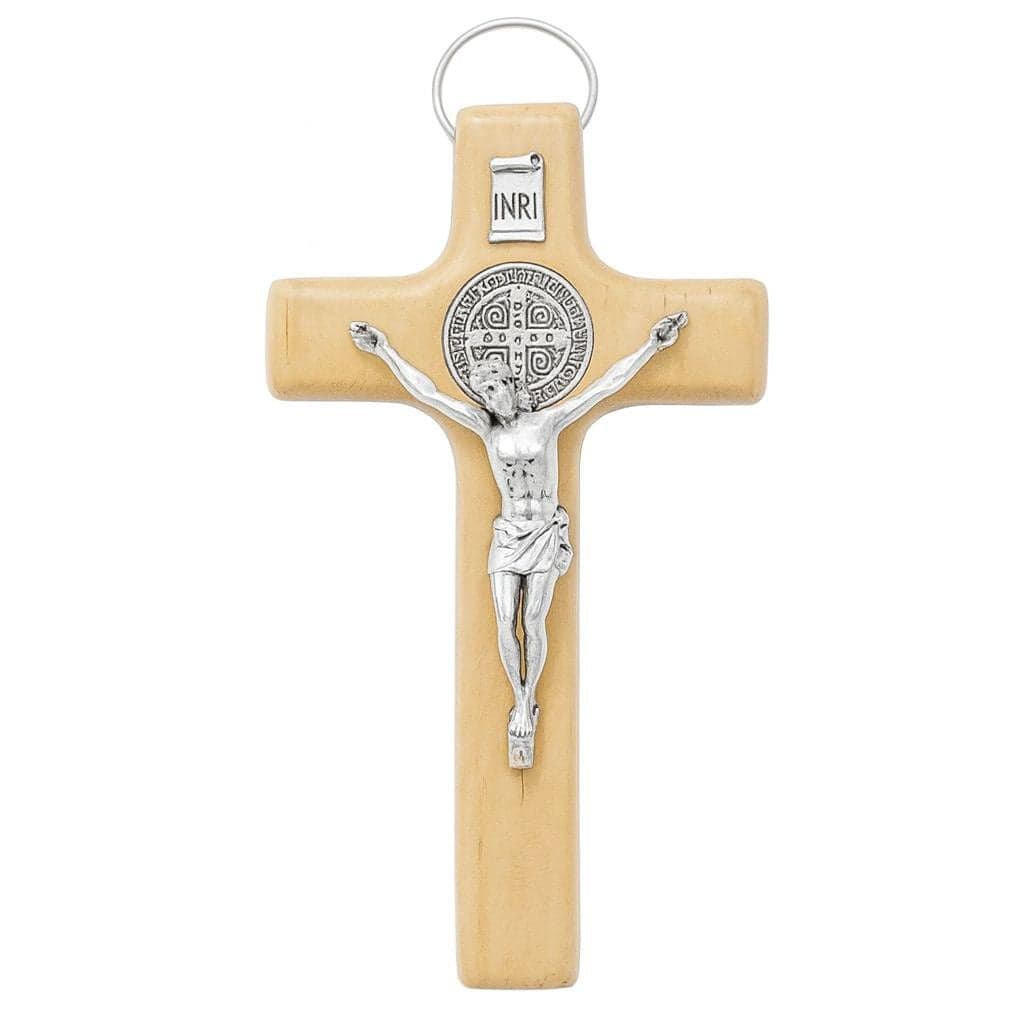
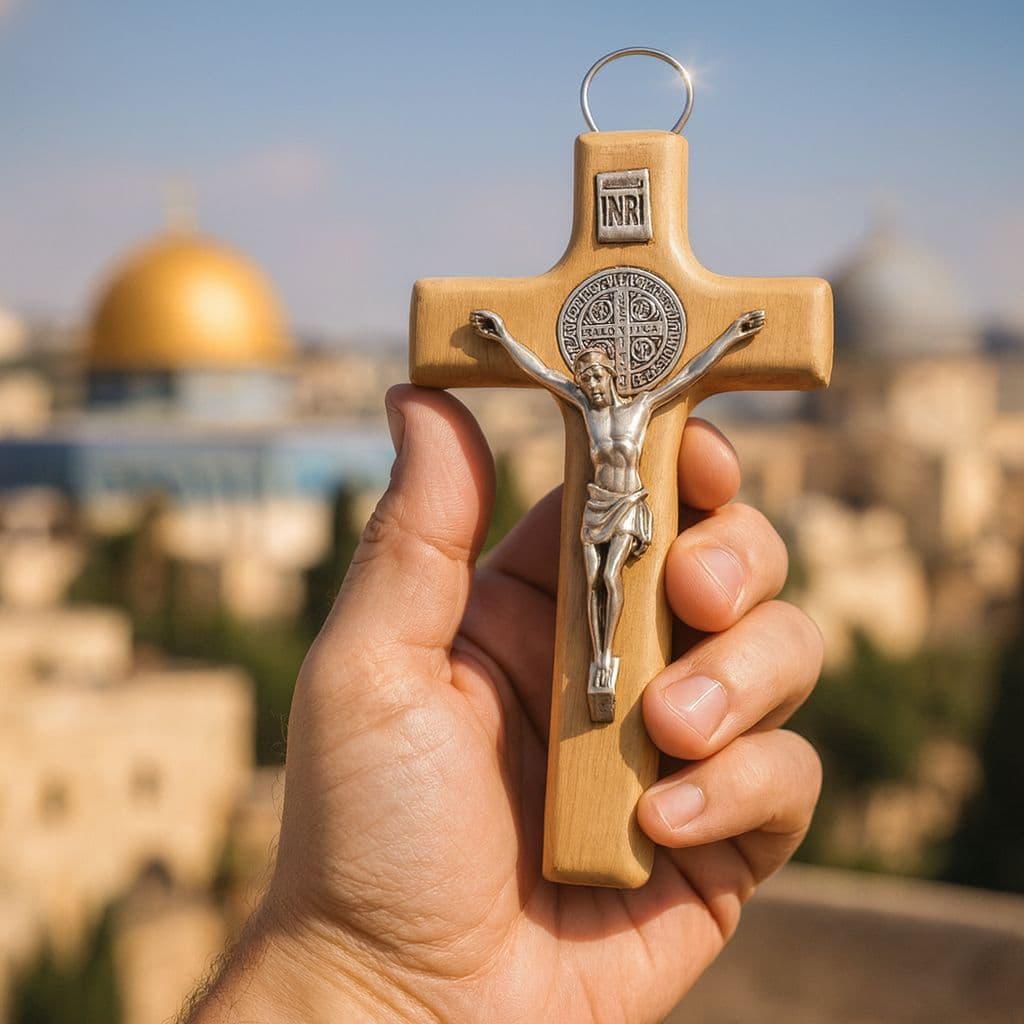
If you’d like to build a small devotional space at home, pairing your chaplet with a simple cross can help keep prayer “visible” in daily life. Browse Crosses & Crucifixes for complementary pieces.
Sizing, fit & usage scenarios
Bead size (simple guide)
- 6–7 mm: compact and travel‑friendly.
- 7–9 mm: the everyday sweet spot for most adults.
- 9–12 mm: easiest to grip for slower, contemplative prayer.
Common scenarios
- Walking prayer: choose beads you can count by touch; avoid overly slick finishes.
- Hospital visits: quiet materials, gentle feel, and a chaplet that doesn’t tangle easily.
- Teaching children: slightly larger beads and simpler separators help them follow along.
Care & stewardship tips
- Store in a pouch: prevents tangles and protects medals.
- Keep it dry: especially wood; never soak.
- Wipe gently: soft cloth only; avoid perfumes/chemicals.
- Repair when needed: re-stringing or link repair can extend a chaplet’s life for years.
- Honor blessed items: treat with reverence; store or dispose respectfully if beyond repair.
Gifting guidance
A Seven Sorrows chaplet is a gift of prayerful companionship—especially meaningful for seasons when comfort and courage are needed.
- Confirmation: choose durable construction and clear medal details for daily carry.
- RCIA/OCIA: include a small note explaining the devotion and how to begin gently (one sorrow a day is a great start).
- Illness & grief: warm wood and quiet movement often feel most comforting.
- Anniversaries & pilgrimages: consider a Jerusalem-crafted piece and (when available) request a blessing at the Holy Sepulchre.
Want to share the “why” behind your gift? Our story and mission are on About JerusalemFaith.
Common mistakes & how to avoid them
- Mislabeled chaplets: verify the seven‑by‑seven layout and separators.
- Beads that disrupt prayer: choose a comfortable size (7–9 mm is safe if unsure).
- Cheap connectors: the medals/separators take the most stress—look for reinforced joins.
- Forgetting the heart of it: this devotion is meant to lead you to Christ with Mary, not to “collect” an item.
Mini‑FAQ
Is the Seven Sorrows chaplet the same as the regular rosary?
No. It’s a related devotion with a different bead structure (seven groups of seven Hail Mary beads rather than five decades of ten).
How long does it take to pray?
Often 12–20 minutes, depending on pace and meditation time.
Cord or chain—what’s better?
Cord is usually quieter and easier to repair; chain offers a traditional look but should be reinforced at separators.
Can I have it blessed?
Yes. Any priest or deacon can bless sacramentals. And when available by request, some Jerusalem-crafted pieces can be blessed at the Church of the Holy Sepulchre.
Can I pray one sorrow a day?
Absolutely. Many people begin by spreading the devotion across a week.
Conclusion & gentle next steps
If you came here searching 7 Sorrows Rosary: Where to Buy & What to Look For, may you leave with clarity—and peace. Choose a chaplet that is accurate, durable, and comfortable in your hands, so your attention can rest on prayer. If you’re drawn to the Holy Land connection, consider a piece handcrafted in Jerusalem, with the option (when available) to be blessed at the Church of the Holy Sepulchre.
Faith‑filled next step: Explore our Rosaries from Jerusalem and, if you’re building a prayer corner, pair your devotion with a simple Cross or Crucifix. May the Lord bless you and keep you as you pray—into the hope of Resurrection.